The 2010 film "The Karate Kid," starring Jackie Chan as Mr. Han and Jaden Smith as Dre Parker, stands as a significant reimagining of the 1984 original. Rather than a direct sequel or simple remake, it transplants the core narrative—a young boy learning martial arts to overcome bullying—into a new cultural and geographical context, shifting the setting from California to Beijing, China.
A Transplanted Tale: From California to Beijing
The fundamental story arc remains familiar: a child, uprooted by circumstance, faces hostility in a new environment and finds an unlikely mentor. However, the 2010 version uses Dre Parker's relocation to Beijing as a more integral plot device. His journey to understand and navigate a foreign culture becomes parallel to his martial arts training, adding a layer of cross-cultural exploration that was absent in the original's suburban Southern California setting.
Jackie Chan and Jaden Smith: A Central Dynamic
The film's success hinges on the chemistry between its two leads. Jackie Chan, in a significant departure from his signature comedic action roles, delivers a subdued and somber performance as Mr. Han. He portrays the maintenance man not as a eccentric coach, but as a grief-stricken master rediscovering his purpose through teaching. Jaden Smith, then a newcomer, carries the film as Dre Parker, effectively portraying the character's initial vulnerability, frustration, and gradual development of resilience.
Their relationship evolves through repetitive, grueling drills—famously represented by the "jacket on, jacket off" chore—which serves as a metaphor for discipline and mastering the fundamentals. This rigorous approach to their mentorship differs notably from the original's more eccentric Mr. Miyagi, grounding the film in a tone that emphasizes perseverance over whimsy.
Martial Arts and Mythology in a New Context
Set in Beijing, the film naturally incorporates elements of Chinese martial arts and philosophy. While the core contest is still referred to as "karate" for brand continuity, the training sequences feature movements more reminiscent of kung fu, particularly the iconic "wax on, wax off" equivalent involving the jacket. The narrative also weaves in Chinese cultural motifs and locations, from the Great Wall to the Wudang Mountains, using the environment as an active component of Dre's training and spiritual growth.

A Lasting Legacy and Box Office Success
Commercially, "The Karate Kid" (2010) was a major success, grossing over $359 million worldwide. It introduced the franchise to a new generation while receiving generally positive reviews, with praise often directed at Chan's performance and the film's visual scope. It demonstrates that the core "underdog learns discipline to overcome adversity" narrative is highly adaptable across cultures and decades. The film remains a point of reference for discussions on effective remakes and the enduring appeal of mentor-student stories in sports cinema.
Understanding The Meaning & Importance Of Factoring In Finance
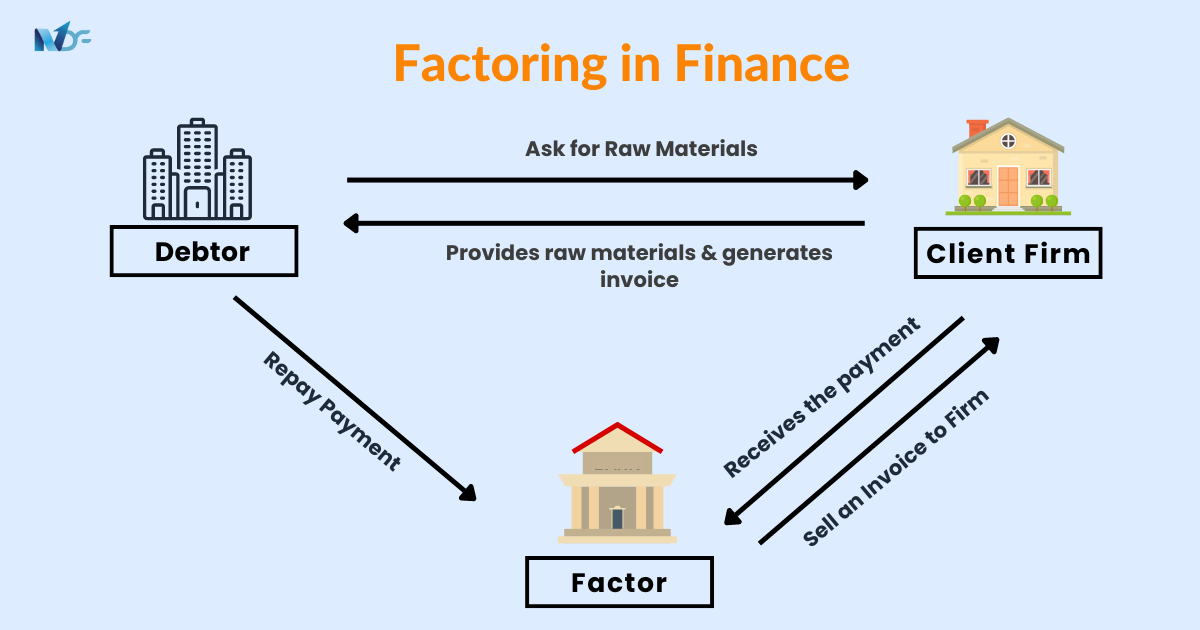
Understanding the Meaning & Importance of Factoring in Finance
Factoring Sur Mesure – Financement Par Anticipation De Créances

Factoring Sur Mesure – Financement par anticipation de créances ...
Six Benefits Of Invoice Financing And Invoice Factoring | InvestGrow

Six benefits of invoice financing and invoice factoring | InvestGrow ...