Understanding the specific laws governing lease agreements in Florida is essential for both tenants and landlords to protect their rights and avoid legal pitfalls. From security deposit rules to required disclosures, Florida Statutes Chapter 83 outlines clear guidelines that shape the rental process. Whether you are drafting your first lease or reviewing one, knowing these requirements ensures a transparent and legally sound tenancy.
What Are the Core Legal Foundations for Florida Residential Leases?
The primary authority governing most residential lease agreements in Florida is Chapter 83, Part II of the Florida Statutes. This law establishes the default rules that apply when a lease does not specify a particular term. It covers everything from the landlord's duty to maintain the premises to the tenant's right to quiet enjoyment. For instance, unless the lease states otherwise, landlords are responsible for complying with local housing codes and making repairs necessary to keep the property habitable.
How Do Security Deposit Rules Work in Florida?
Florida has strict regulations for handling security deposits. Within 15 days of receiving the deposit, a landlord must give the tenant written notice specifying where the funds are being held. The landlord cannot simply mix the deposit with personal funds; it must be kept in a separate non-interest-bearing account in a Florida banking institution, or posted as a surety bond. After the tenant moves out, the landlord has 15 days to return the deposit or provide a written notice of any intended deductions along with the remaining balance, if any.
What Mandatory Disclosures Must Be Included in a Florida Lease?
Transparency is required by law. A Florida lease agreement must include certain disclosures to be valid. These include: a statement of whether the landlord owns the property or is a licensed real estate agent; the name and address of the property owner; and, if applicable, the name of the property manager authorized to act on the owner's behalf. Crucially, for any property built before 1978, the landlord must provide a federally approved lead-based paint disclosure pamphlet and a statement disclosing any known lead hazards.
When Is a Landlord Required to Give Notice to Enter or Terminate?
Tenants have a right to privacy. A landlord may enter the rental unit for inspections, repairs, or to show it to prospective tenants, but must give at least 12 hours' notice and can only enter during reasonable hours. Regarding termination, the notice period depends on the situation. For month-to-month tenancies, either party must provide at least 30 days' notice before the next rent payment date. For nonpayment of rent, a landlord must serve a three-day notice (excluding weekends and legal holidays) demanding payment or possession before filing for eviction.

What Happens If a Lease Violates Florida Law?
A lease clause that contradicts state law is generally unenforceable. For example, a lease stating a landlord can keep a security deposit for "any reason" violates the statutory requirement to provide an itemized list of deductions. Similarly, a clause waiving the landlord's liability for maintenance or the tenant's right to proper notice is void. However, a written lease can add provisions that are more protective to the tenant than the default statute, such as a longer notice period for termination or a more detailed inspection process.
Navigating Florida's lease landscape requires attention to these statutory details. Both parties should ensure their agreement complies with Chapter 83 and local ordinances. While a well-drafted lease can prevent disputes, understanding these core laws provides the essential framework for a fair and lawful rental relationship in the Sunshine State.
Florida State Map - Places And Landmarks - GIS Geography
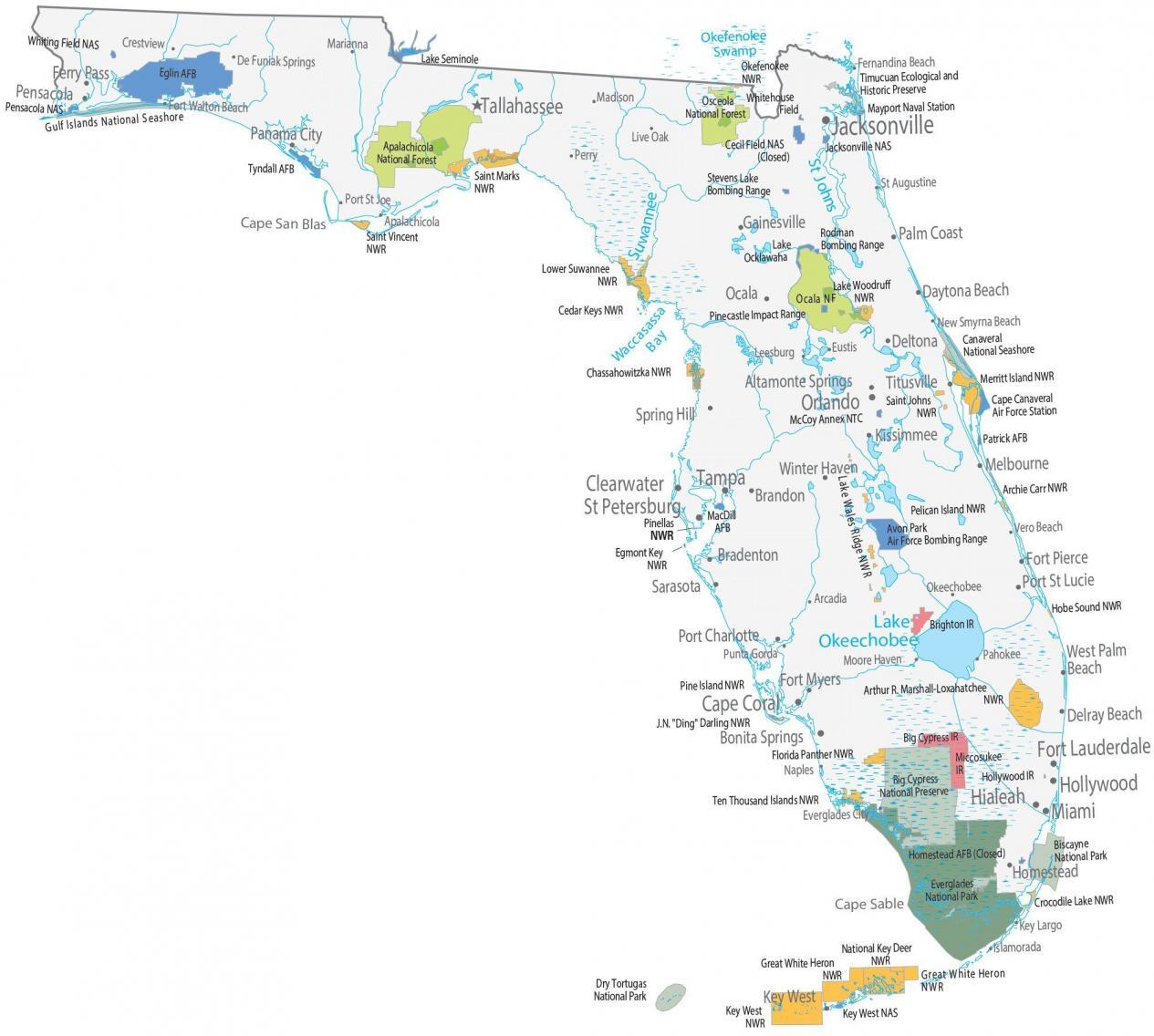
Florida State Map - Places and Landmarks - GIS Geography
Geography Of Florida - Alchetron, The Free Social Encyclopedia
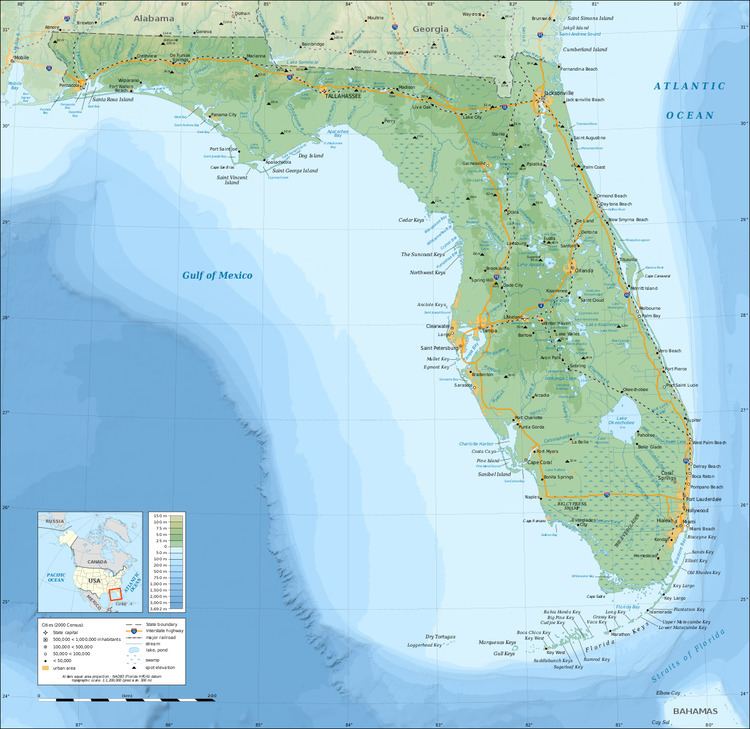
Geography of Florida - Alchetron, The Free Social Encyclopedia
Large Free Printable Map Of Florida
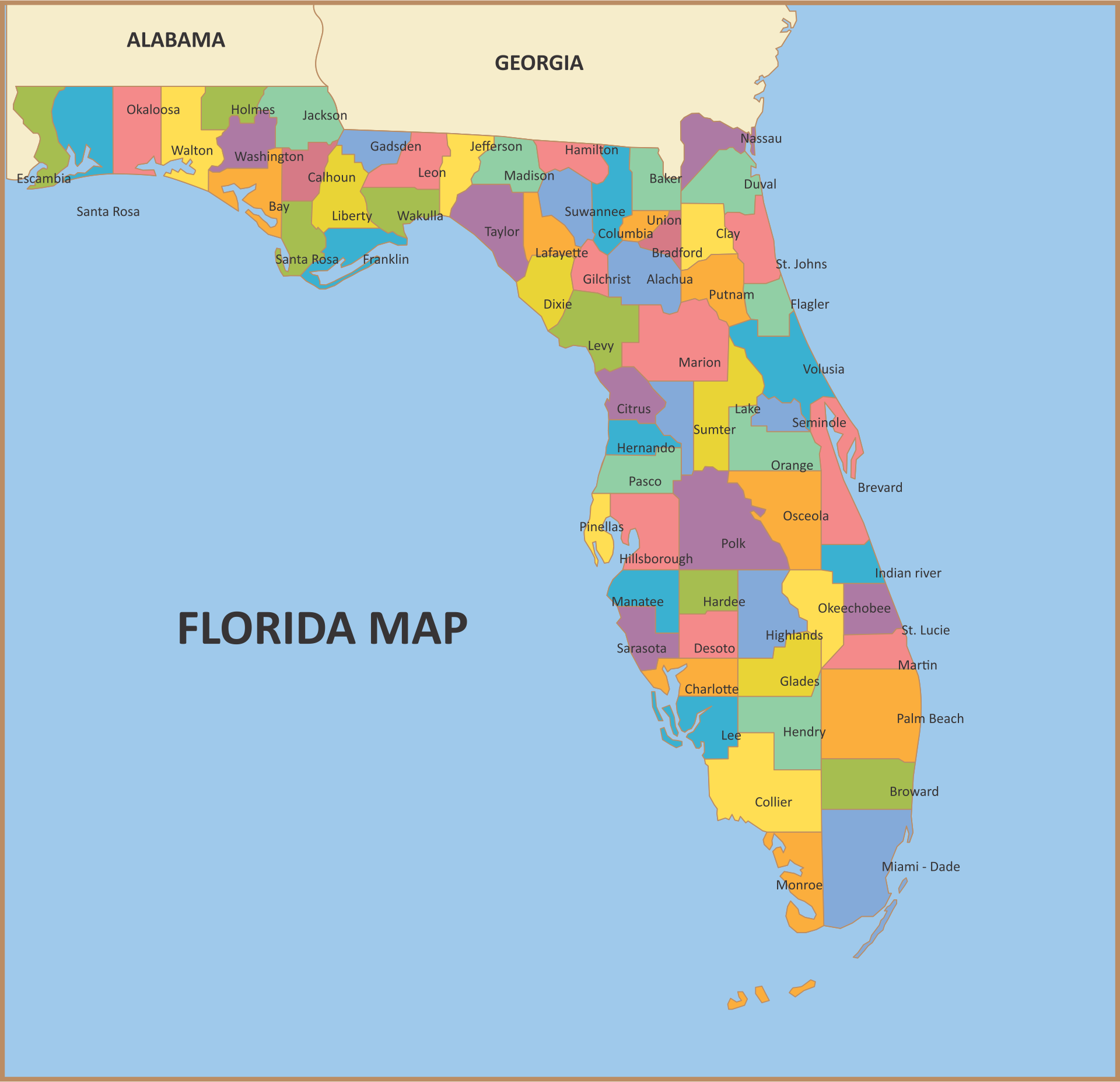
Large Free Printable Map Of Florida